
Ultimate Guide to Top Concrete Leveling Products
Find out which products stand out in the market for leveling uneven concrete surfaces efficiently and with long-lasting results.
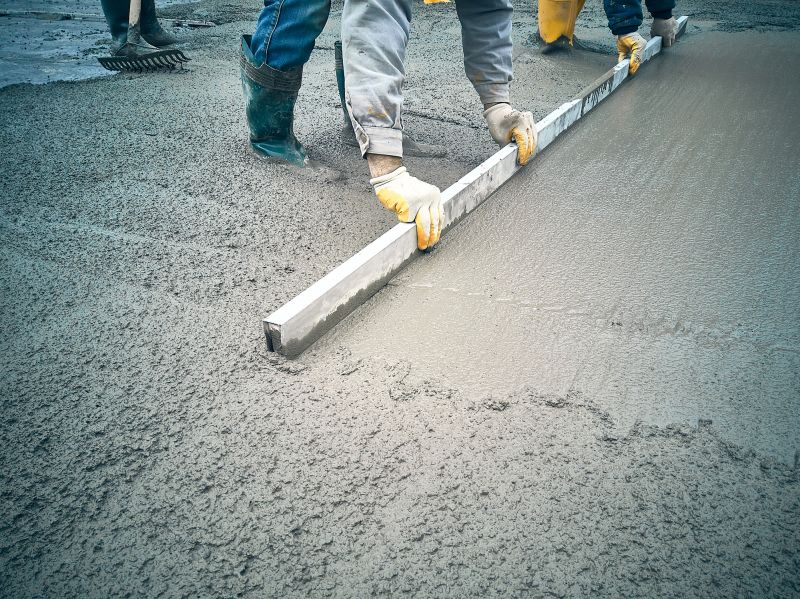 Concrete leveling is a practical solution for addressing uneven or sunken slabs that can develop over time due to soil movement, settling, or other structural shifts. When considering products for concrete leveling, it is important to understand the variety of options available to suit different project needs, whether for small residential repairs or larger commercial applications. These products are designed to restore the surface to a more even and safe condition, helping to prevent trip hazards and improve the overall appearance of the area.
Top Overall Option
Polyurethane Foam Injection System
Polyurethane foam injection systems are versatile and minimally invasive options for concrete leveling. They expand upon application to fill voids beneath slabs, providing support and stabilization. These systems are known for their quick curing times and ability to lift and level uneven concrete surfaces effectively. Suitable for various depths and sizes, they are often favored for their ease of use and minimal disruption to existing structures.
Types of Products For Concrete Levelings
Polyurethane Foam
A popular choice for quick and effective concrete lifting, polyurethane foam expands to fill voids and level slabs.
Mud Jacking Slurry
A traditional method involving a slurry mixture to lift and stabilize sunken concrete surfaces.
Self-Leveling Concrete Patches
Pre-mixed compounds designed to fill small surface imperfections and level slabs.
Cementitious Grouts
High-strength grouts used for structural repairs and leveling of larger concrete areas.
Epoxy Resins
Used for structural repairs and bonding, epoxy resins can also assist in leveling applications.
Polymer-Modified Mortars
Enhanced mortars that provide durable surface repairs and leveling for concrete slabs.
Hydraulic Cements
Cements designed for rapid setting and structural support in leveling projects.
Concrete Resurfacing Products
Thin coatings that restore the appearance and smoothness of worn or uneven concrete surfaces.
Polyurea Coatings
Flexible and durable coatings used for surface leveling and protection.
Rapid Set Repair Mortars
Fast-curing mortars suitable for quick repairs and leveling of concrete slabs.
Popular Choices
Widely used for their ease of application and effective lifting capabilities, these kits are popular among DIY enthusiasts and professionals.
Traditional mud jacking tools and mixtures remain a common choice for larger, structural leveling projects.
Convenient for small repairs, these compounds are often chosen for surface smoothing and minor leveling.
Popular for their structural support properties, these mixes are used in both residential and commercial applications.
Favored for structural repairs, epoxy systems are commonly used to fill cracks and reinforce slabs.
Chosen for their durability and adhesion, these mortars are often used in surface repairs.
Quick-setting and reliable, hydraulic cements are a popular choice for urgent repairs.
Easy-to-apply kits that help restore the surface appearance of worn or uneven concrete.
Flexible surface coatings used to level and protect concrete surfaces.
Fast-curing repair products favored for quick turnaround projects.
The selection of appropriate leveling products depends on factors such as the size and depth of the unevenness, the type of concrete, and the desired durability of the repair. Many products are formulated for easy application, allowing homeowners and professionals alike to perform repairs with minimal equipment. Proper preparation and application are essential to achieve a successful, long-lasting result.
In addition to traditional mud jacking and polyurethane foam injections, there are self-leveling compounds and patching mixes that cater to various types of concrete damage. It's important to assess the specific requirements of your project, including whether the repair is load-bearing or decorative, to choose the most suitable product. Consulting product specifications and instructions can help ensure compatibility with the existing surface and the conditions of the site.
Overall, selecting the right products for concrete leveling involves understanding the different types available, their applications, and the considerations for durability and safety. Properly chosen and applied products can effectively address uneven surfaces, extending the lifespan of the concrete and maintaining the integrity of your property in Woodinville, WA.
Key Buying Considerations
- Assess the size and depth of the uneven area to determine the appropriate product type and volume needed.
- Consider whether the repair is load-bearing or decorative, as this influences the choice of product.
- Evaluate the curing time and application process to match your project timeline and skill level.
- Check compatibility with existing concrete surfaces to ensure proper adhesion and performance.
- Look for products with a proven track record for durability and stability in similar applications.
- Determine if the product is suitable for indoor or outdoor use, considering exposure to weather conditions.
- Review safety instructions and handling requirements to ensure proper use and safety precautions.
- Consider the ease of application, especially if performing DIY repairs, and whether specialized tools are required.
- Verify the environmental conditions necessary for curing, such as temperature and humidity ranges.
- Evaluate the long-term maintenance and potential need for reapplication or touch-ups.
- Compare costs relative to the project scope, balancing quality and budget constraints.
- Check for compatibility with other repair materials or coatings planned for the surface.
- Ensure that the product provides the desired level of support and stability for the specific application.
- Research user reviews and expert recommendations to gauge real-world performance.
- Determine if professional installation is recommended or if the product is suitable for DIY use.